
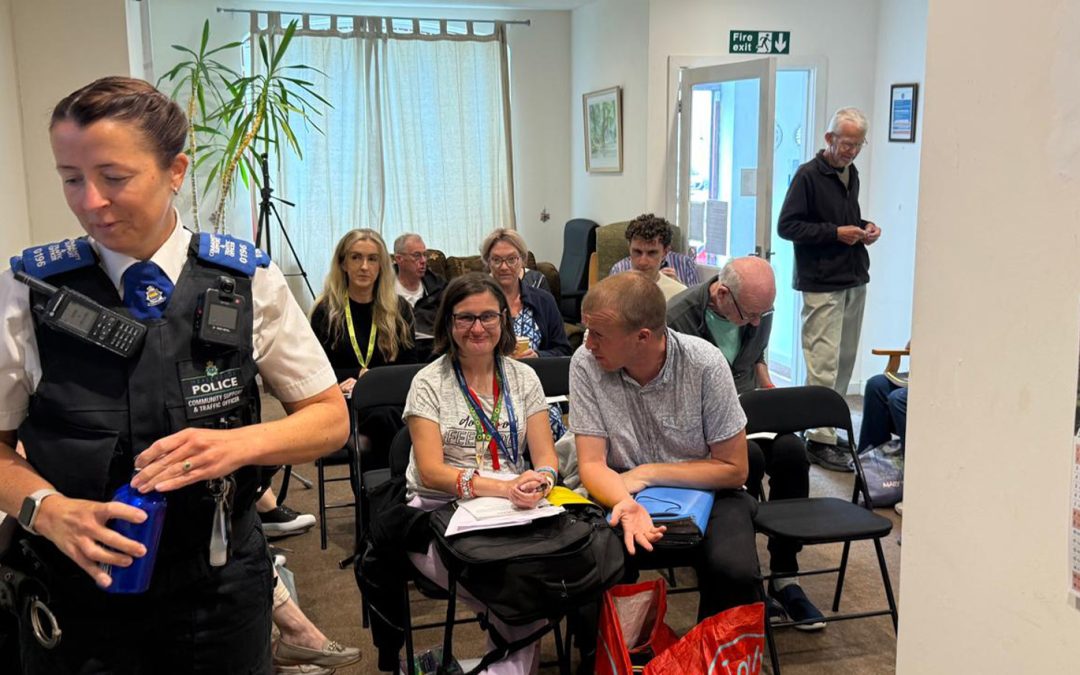
We had an amazing turnout for our special Community Wellbeing Session on Monday, 17th August 2026, as we welcomed Jo James, Fraud Protect Coordinator, and Michelle from Merseyside Police to Sefton Support Group.
Fraud and scams are constantly changing, and with criminals increasingly using phones, social media, online platforms and new technology to target people, knowing what to look out for has never been more important.
Throughout the morning, Jo and Michelle shared real examples of the types of fraud being reported, the warning signs we should all be aware of, and practical steps we can take to better protect ourselves, our families and those around us.
A huge thank you to everyone who joined us. It was fantastic to see so many people come along for what proved to be an extremely informative and engaging session.
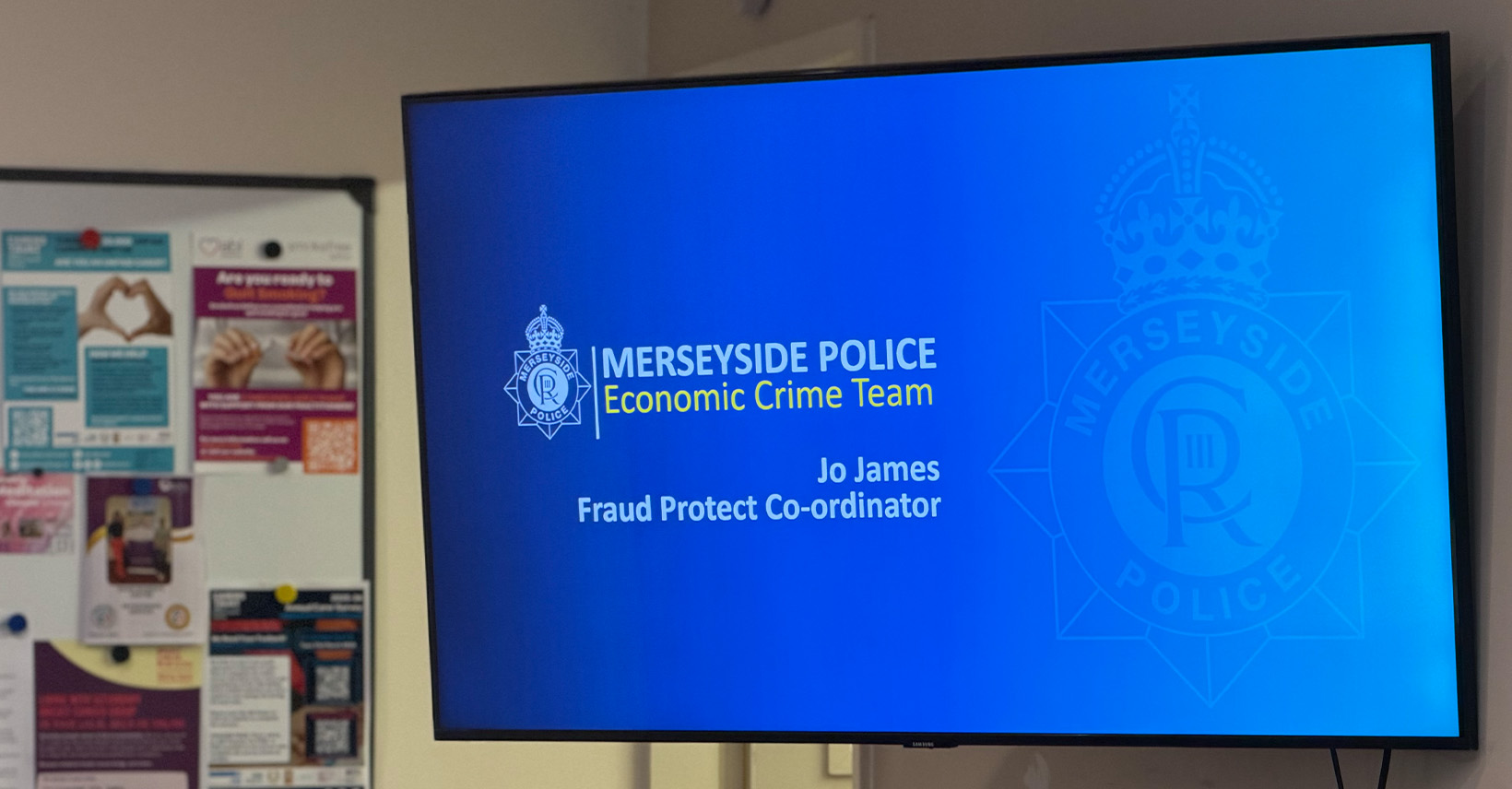
Fraud Is Changing
One of the key messages from the session was that fraud now represents a significant proportion of crime, with many offences taking place online or over the phone.
Rather than somebody necessarily needing to physically enter your home to steal from you, criminals can now target people remotely through phone calls, text messages, emails, social media, fake websites and online adverts.
This is why prevention and awareness are so important. The more we understand about how scams work, the easier it can be to recognise when something doesn’t feel right and stop before taking action.
Be Suspicious of Unexpected Calls
Jo encouraged everyone to be cautious when receiving an unexpected call claiming to be from a bank, the police or another professional organisation.
If somebody contacts you unexpectedly, don’t be afraid to end the call and independently check whether it is genuine.
If someone claims to be a police officer, you can end the call and contact the police yourself to verify who you were speaking to. If someone claims to be calling from your bank, 159 can be used to connect with participating UK banks.
A particularly simple piece of advice from the session was not to feel obliged to answer calls from numbers you don’t recognise. A genuine caller can leave a voicemail or provide another way for you to verify who they are.
Courier Fraud
Courier fraud was one of the scams discussed in detail during the session.
This can begin with a telephone call from someone pretending to be from the police or a bank. The fraudster may claim that suspicious activity has taken place and that they need the victim’s assistance with an investigation.
They may then ask the person to withdraw money, purchase expensive goods or hand over bank cards before arranging for somebody to visit their home to collect them.
Jo and Michelle explained how convincing and persistent these criminals can be. The important thing to remember is that you should never hand over your bank cards, cash or valuables to somebody who has contacted you in this way.
Bogus Traders and Doorstep Crime
The session also covered doorstep crime and bogus traders, particularly people who arrive unexpectedly and claim that work needs completing on your property.
A common example might be somebody saying they have been working on a neighbour’s roof and have noticed a problem with yours. What begins as a relatively inexpensive job can quickly escalate, with the householder being told that more serious and costly work is required.
The advice was simple: if somebody turns up out of the blue, you don’t have to engage with them.
Where possible, use trusted tradespeople, recommendations and word of mouth rather than agreeing to work following an unsolicited knock at the door.
Social Media Scams
A large part of the discussion focused on social media and the assumption that an advert must be genuine simply because it appears on a familiar platform.
Fake advertisements can imitate well-known brands, promote products at prices that appear too good to miss or direct people towards websites designed to look genuine.
If you see an offer from a company on social media, rather than automatically following the link in the advert, consider visiting the company’s official website independently and checking whether the same offer is available there.
The session also highlighted the risks of buying and selling through social media marketplaces, particularly when high-value goods, advance payments or cash transactions are involved.
Investment Fraud
Investment scams can also begin through social media, including fake advertisements that appear to feature well-known personalities or trusted public figures.
With artificial intelligence making fake images, voices and videos increasingly convincing, seeing a familiar face promoting an investment does not necessarily mean that person has genuinely endorsed it.
Some of the warning signs discussed included:
- Being pressured to make a decision quickly
- Repeated or excessive calls
- Being encouraged to keep the investment secret
- Being told what to say if your bank asks questions
- Promises or returns that appear too good to be true
If a company claims to be authorised or regulated, don’t rely solely on logos displayed on its website. Independently checking the organisation through the appropriate official source can help establish whether the claim is genuine.
Romance and Relationship Fraud
One of the most thought-provoking parts of the session concerned romance and relationship fraud.
These scams are not necessarily limited to dating websites. Contact can begin through social media, online groups, apps or even seemingly innocent conversations about shared interests.
Fraudsters can spend weeks, months or even years building trust before asking for money. This can make the consequences far more than financial, as victims may believe they have developed a genuine relationship with the person.
Warning signs can include:
- Repeated reasons why the person cannot meet face-to-face
- Requests for money or gift cards
- Urgent stories involving medical or financial difficulties
- Pressure to keep the relationship or financial arrangements secret
- Attempts to isolate someone from family and friends
- Emotional pressure when questions or concerns are raised
Jo and Michelle also spoke about the importance of compassion when supporting somebody who may be experiencing this type of fraud. Someone may have invested a significant amount of time and emotion into what they believe is a genuine relationship, making it extremely difficult to accept that they have been deceived.
“Hi Mum” and Family Impersonation Scams
Many people will now be familiar with messages claiming to be from a son or daughter who has lost or damaged their phone and is contacting them from a new number.
The conversation can quickly move towards an urgent request for money.
If you receive a message like this, contact your family member using the number you already have saved rather than relying on the new number provided in the message.
Another useful suggestion from the session was for families to agree a safe word that can be used to verify someone’s identity if an unusual situation genuinely arises.
Artificial Intelligence Is Making Scams More Convincing
The session also demonstrated how artificial intelligence can be used to create extremely convincing fake images and videos.
Jo showed how technology can take an existing photograph and make it appear as though the person is moving and speaking. As this technology continues to develop, relying solely on seeing or hearing somebody may no longer be enough to establish that they are genuine.
This reinforces one of the most important messages from the morning: stop, think and independently verify before sending money or sharing information.
Protecting Your Passwords and Accounts
We also looked at some straightforward ways of improving online security.
Simple passwords containing names, football teams, birthdays or predictable numbers can be extremely easy to crack. Longer passwords or passphrases, combined with additional characters, can provide significantly stronger protection.
Other practical advice included:
- Use strong passwords and avoid using the same password everywhere
- Enable two-step verification wherever possible
- Use fingerprint or facial recognition where appropriate
- Keep phones, computers, apps and software updated
- Limit the amount of personal information shared publicly online
- Keep social media profiles private where possible
- Be cautious when using public Wi-Fi for sensitive activities such as online banking
- Never share a one-time passcode with somebody who contacts you
What Should You Do If You Think You’ve Been Scammed?
If you believe you may have fallen victim to fraud, acting quickly is important.
The session recommended securing your money first by contacting your bank. If somebody has persuaded you to install remote-access software on your phone or computer, disconnecting the device and removing their access is also important.
You should also consider changing passwords for affected accounts and reporting what has happened.
One particularly important message from the morning was not to feel embarrassed about reporting fraud. Scammers can be extremely sophisticated, persuasive and patient, and their methods are continually evolving.
Stop, Take Five
If there was one message to take away from the session, it was to give yourself time.
Fraudsters often rely on urgency, emotion and pressure. They want you to act before you have had an opportunity to think, speak to somebody else or independently check what you have been told.
If something involves your money or personal information, stop and ask yourself:
- Was I expecting this contact?
- Why am I being asked to act immediately?
- Can I independently verify who this person is?
- Am I being asked to keep something secret?
- Does this seem too good to be true?
Taking a few extra minutes could make all the difference.
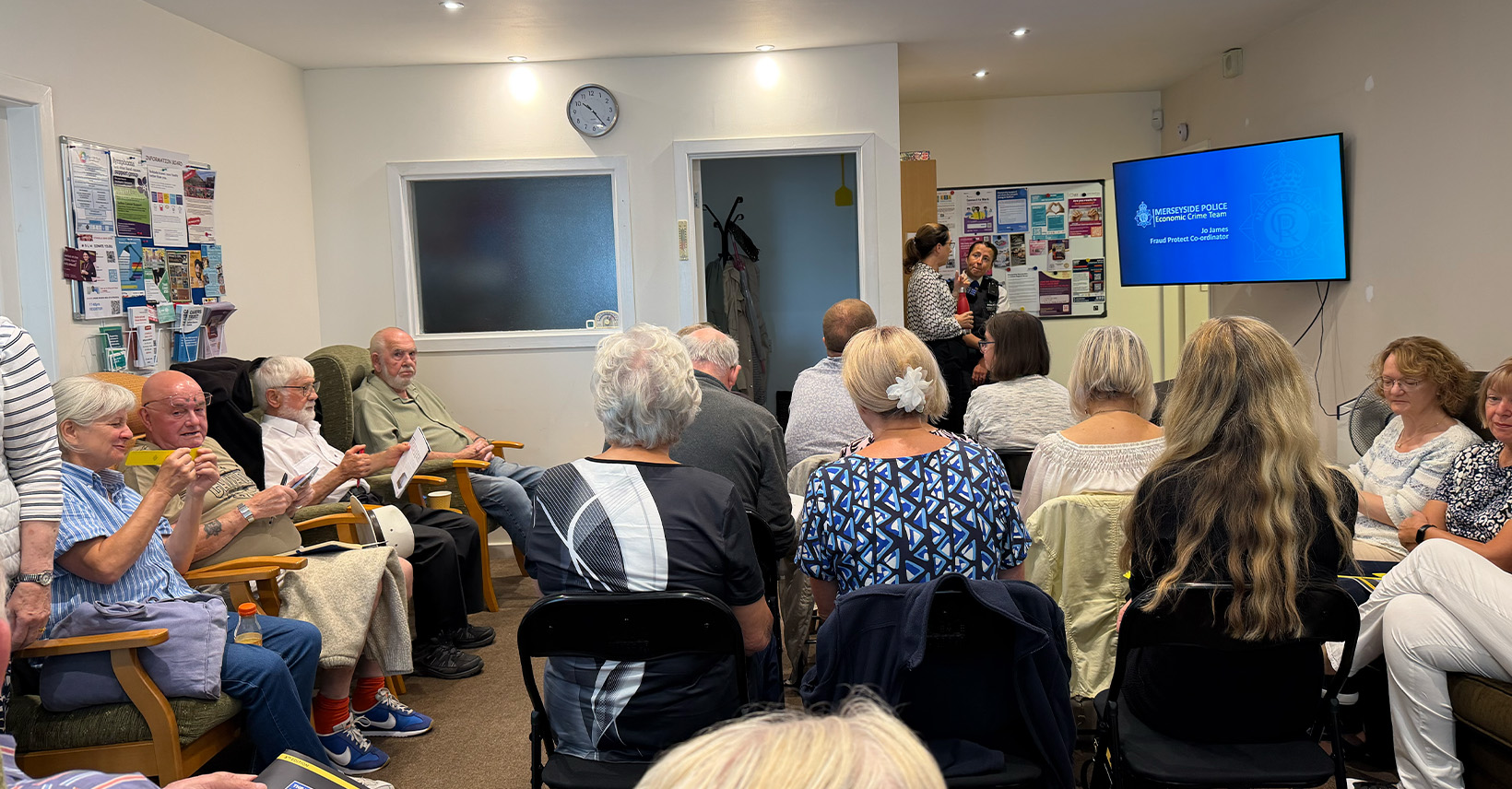
Thank You to Merseyside Police
We would like to say a huge thank you to Jo James and Michelle from Merseyside Police for taking the time to visit Sefton Support Group and deliver such an informative and engaging session.
We would also like to thank everyone who attended. The turnout was amazing, and the questions and conversations throughout the morning showed just how important fraud awareness is within our community.
Our Community Wellbeing Sessions are designed to give people an opportunity to learn something new, strengthen their existing knowledge and find out more about organisations and services that can support them.
Watch the Full Session
If you couldn’t join us on the day, or attended and would like to revisit any of the advice shared, we will be making the full Fraud Prevention Advice from Merseyside Police session available through the SSG Members Area.
Our Members Area is completely free to join and gives you access to recordings from our Community Wellbeing Sessions, along with information about upcoming sessions and support available through Sefton Support Group.
